Essential Health and Safety Standards for Excavation Workers
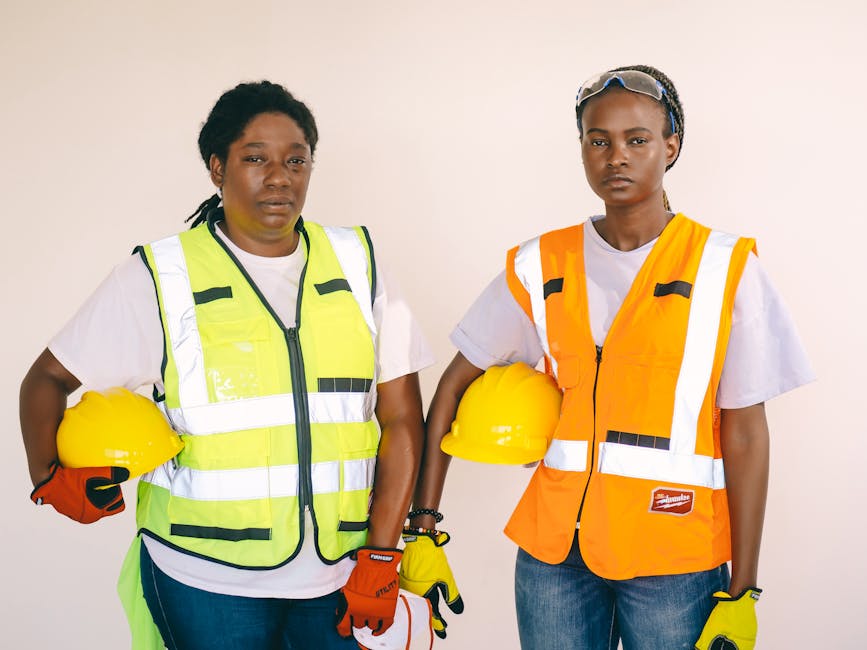
Health and safety in excavation work is not negotiable. The UK has strict regulations designed to protect workers from the significant hazards present on excavation sites. Understanding these standards is essential for anyone working in this industry.
The Construction (Design and Management) Regulations 2015 form the backbone of UK excavation safety. These regulations require that all construction work, including excavation, is properly planned, managed, and monitored to ensure the health and safety of everyone involved.
Confined Space Entry is one of the most dangerous aspects of excavation work. Trenches and deep excavations can accumulate toxic gases, and oxygen levels may be insufficient for safe working. Proper training, atmospheric testing, and rescue equipment are mandatory before entering any confined space.
Competence and Training requirements vary depending on the type of work. Most excavation operators must hold relevant certifications such as CSCS cards and specific machinery qualifications. Your employer has a legal duty to ensure you're properly trained for your role.
Personal Protective Equipment (PPE) is fundamental. Hard hats, high-visibility clothing, steel-toed boots, and safety glasses must be worn at all times. For certain tasks, additional PPE such as respiratory protection or fall protection harnesses may be required.
Hazard Identification and Risk Assessment should happen before any excavation begins. Common hazards include underground utilities, unstable ground conditions, water ingress, and mobile equipment. Your site supervisor should brief you on identified risks and control measures.
Machinery Operation Safety demands that operators are trained and competent. Regular equipment maintenance checks are essential, as mechanical failures can cause serious accidents. Never operate machinery without proper authorisation and certification.
Site Induction is your first line of defence. Every worker should receive a thorough site induction explaining local hazards, emergency procedures, and site-specific safety rules. Never feel pressured to skip this step.
If you notice unsafe conditions or practices on site, you have the right and responsibility to report them. Most UK construction companies have formal incident reporting procedures. Your safety is more important than completing tasks on schedule.
Staying safe in excavation work requires constant vigilance and commitment to following procedures, even when they seem time-consuming. The regulations exist because they save lives.